







Search Results for: Pour-Over Coffee Bean Recommendations
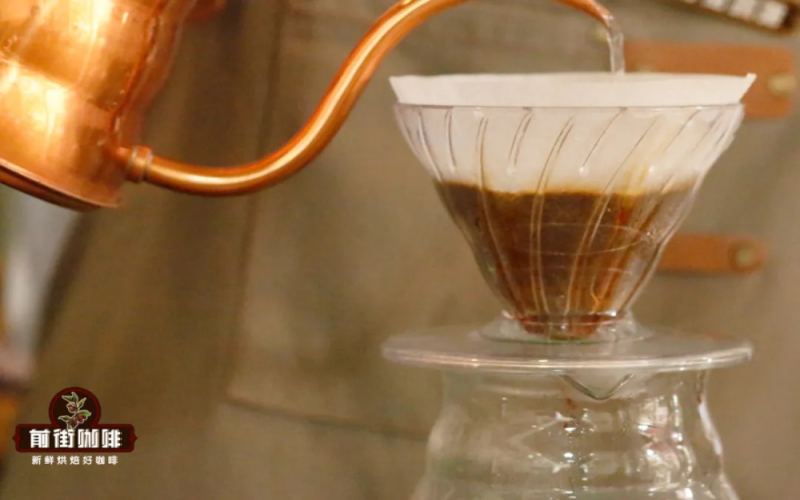
Pour-Over Coffee Bean Selection Guide: Fruit Acidity, Nutty Notes, and Five Major Flavor Type Recommendations
The popularity of pour-over coffee continues to rise, and many people are starting to equip themselves with gear at home and try their hand at brewing. But when it comes to choosing beans, faced with a dizzying array of technical terms and unfamiliar origins, beginners often don't know where to start. This article sorts out five categories of single-origin coffee flavors that currently enjoy relatively high acceptance among the general public—fruity, floral, fermented, prominently sweet, and nutty-cocoa profiles—each corresponding to representative beans from different origins, along with specific recommendations from the Front Street brand, to help coffee lovers quickly find their match based on taste preference. [more…]
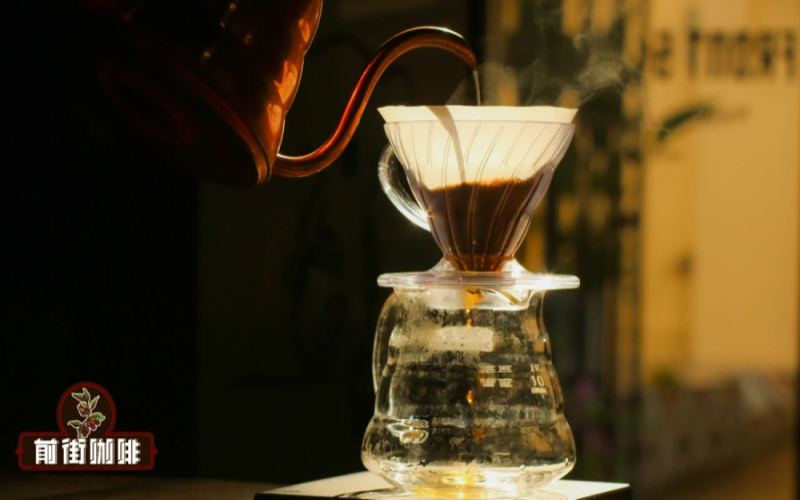
Pour-Over Coffee Bean Selection Guide: A Complete Analysis of the 7 Major Flavor Types of Single-Origin Beans and Brewing Recommendations
For those who are just getting into pour-over coffee, the bewildering array of coffee beans on the market often leaves them unsure where to start. In fact, pour-over usually calls for single-origin beans — that is, beans from a single region, single estate, or cooperative — which offers greater quality assurance. Front Street Coffee groups today's most popular single-origin beans into seven flavor categories: fruity, floral, fermented, sweet, balanced, high-body, and nutty-cocoa. Whether you prefer a bright, acidic, light and fresh profile or favor a rich, heavy mouthfeel, you can find your direction in this classification. Below, we introduce each flavor category one by one, covering representative bean varieties, origin information, cupping notes, and Front Street's roasting recommendations, to help you quickly pinpoint the pour-over bean that suits you. [more…]
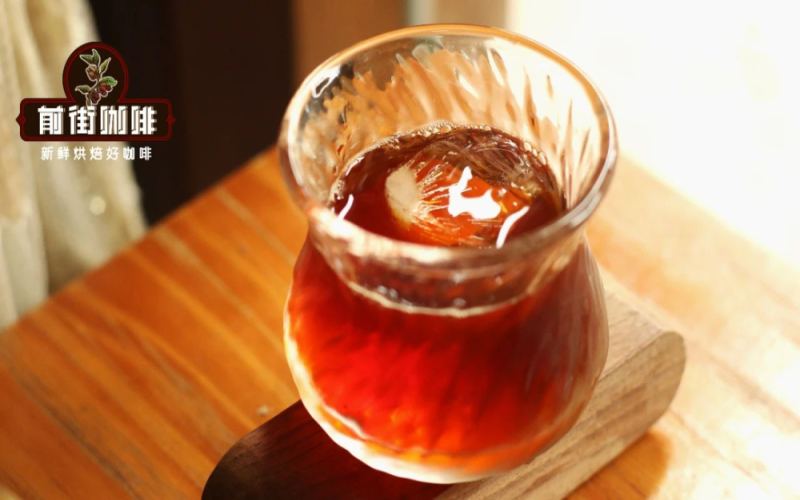
How Is Iced Pour-Over Different from Hot Pour-Over? Coffee-to-Water Ratio, Brewing Logic, and Front Street Coffee Bean Recommendations
As temperatures rise, the choice between iced pour-over and hot pour-over has become a topic of interest for many coffee lovers. The same bean, brewed as a hot drink or a cold drink, takes on completely different flavor directions. Behind this lie two different brewing logics: hot pour-over uses a full coffee-to-water ratio to extract and showcase the bean's original layers; iced pour-over reduces the water amount, increases extraction efficiency, and then relies on ice cubes to dilute and cool it down. Understanding these differences can help you more accurately judge how a bean is best brewed. This article will compare brewing principles, flavor expression, aroma characteristics, and more, and will also include Front Street's bean list recommendations for different taste preferences, so you can still enjoy the cup you love even in the heat of summer. [more…]
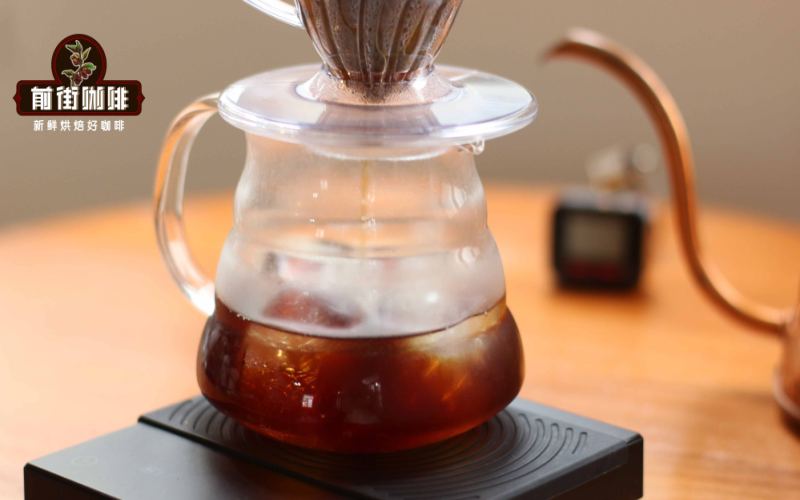
The Complete Guide to Summer Iced Pour-Over Coffee: Practical Tips from Bean Selection to Brewing, Plus Brand Recommendations
In the height of summer, a refreshing, ice-cold iced pour-over coffee is often more popular than hot coffee. This article will break down the iced pour-over process in detail for coffee lovers, from choosing coffee beans suitable for iced brewing and mixing the coffee-to-ice-to-water ratio, to key steps such as grind setting, blooming time, and staged pouring, gradually presenting a complete set of operating instructions. At the same time, the article also combines several Front Street Coffee beans to give specific recommendations for tea-like notes, juicy notes, and no-acidity preferences, helping you easily make a cup of iced pour-over coffee with clear flavor and a clean mouthfeel at home. [more…]
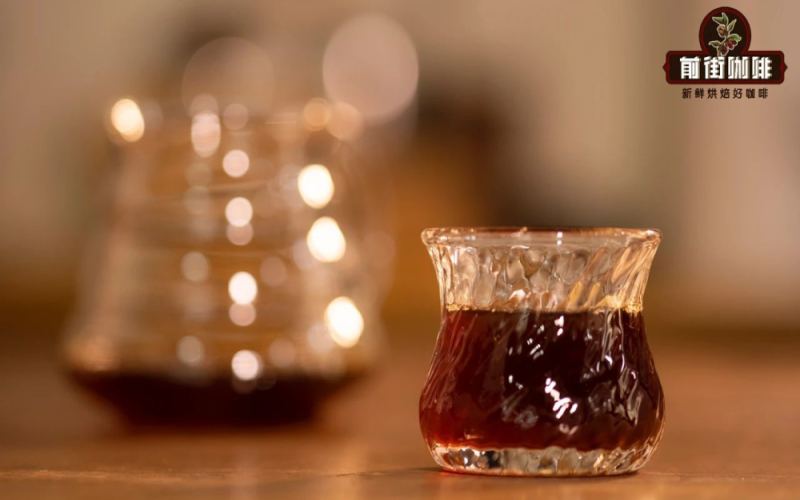
Pour-Over Coffee from Bean Selection to Parameters: Single-Origin Recommendations for Different Roast Levels and Water Ratios for Brewing with 15g of Coffee
To brew a delicious pour-over at home, choosing the right beans and mastering the water volume are key. This article starts with the regional character of single-origin coffees, then outlines flavor profiles and specific Front Street bean recommendations for light, medium, and dark roast levels, so even beginners can quickly find the style they enjoy. It then uses the classic Front Street Queen's Estate as an example to disclose the cafe's brewing parameters—Kono dripper, 88°C water, 15 g coffee, 1:15 coffee-to-water ratio, medium-fine grind—and breaks down the three-pour节奏 in detail: 30 g bloom for 30 seconds, second pour to 125 g, wait until the liquid level drops by half, then top up to 225 g, with a total extraction of about 2 minutes 10 seconds. After reading, you can replicate a clean and balanced pour-over by following the parameters. [more…]
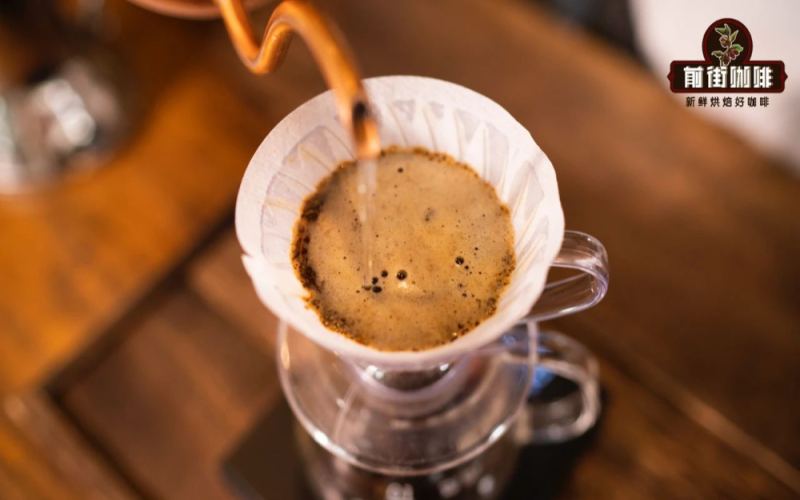
Pour-Over Coffee Bean Selection Guide: A Full Breakdown of Flavor Preferences, Roast Levels, and Front Street Brand Recommendations
With so many types of coffee beans on the market, choosing the right beans for pour-over has become a puzzle for many enthusiasts. Starting from flavor preferences, this article helps you sort out your bean-selection approach: whether you love floral notes, fruity notes, or a rich, full-bodied taste, you can find a corresponding origin and representative bean. At the same time, the article also explains how grinding freshness affects flavor, and introduces Front Street Coffee's strict control over roast dates. In addition, it offers practical advice on the taste differences brought by different roast levels, helping you more precisely find that cup of pour-over coffee you love. [more…]
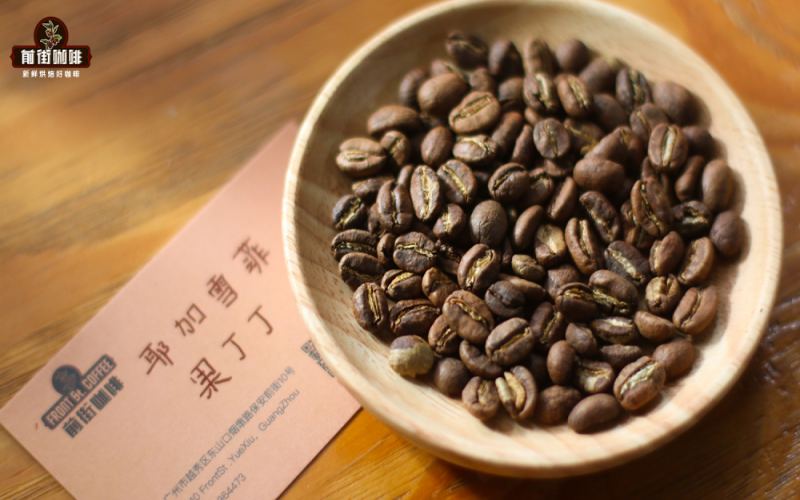
Coffee Beginner's Bean Buying Guide | What beans should you buy when you first start drinking pour-over coffee? 10 high-value everyday coffee bean recommendations for pour-over/espresso extraction
In recent years, more and more people are drinking coffee, and buying beans has gradually shifted from "just grab whatever" to "I want it to taste good and be a good deal." For beginners just starting out, when buying coffee beans, besides looking for something economical, you also need to pay attention to whether it is consistent, whether it suits you, and whether it will be a letdown. Today, [more…]
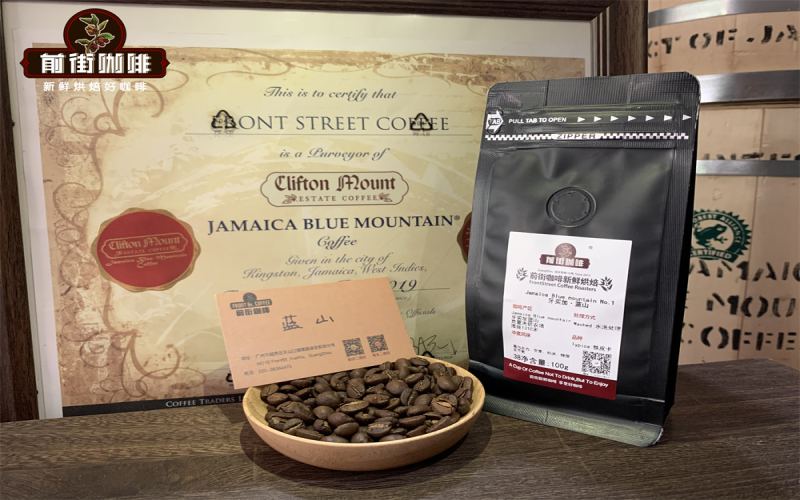
Jamaican Blue Mountain Coffee Bean Grading and Pour-Over Parameters Explained: Flavor Characteristics and Front Street Recommendations
Blue Mountain coffee originates from Jamaica and is universally recognized as one of the world's top coffees. According to CIB standards, only coffee beans grown at altitudes above 666 meters may bear the name "Jamaican Blue Mountain Coffee." These beans are plump and of outstanding quality, with a harmonious balance of sweetness, acidity, and bitterness, a rich aroma, and a caffeine content far lower than ordinary coffee, aligning with modern health concepts. Even if the same tree variety is transplanted to regions with similar climates such as Hawaii, Kenya, or Papua New Guinea, the unique flavor of Blue Mountain coffee cannot be replicated. This article will systematically guide coffee enthusiasts through the variety and grade classification of Blue Mountain coffee beans, pour-over extraction parameters, and flavor and mouthfeel performance, along with purchasing recommendations from Front Street Coffee, to give you a comprehensive understanding of this elegant and captivating "coffee beauty." [more…]

90+ Sun-Dried Sidamo Coffee Pour-Over Guide: Parameters, Bean Varieties, and Brand Recommendations
90+ is an exciting name in the coffee world, representing both exceptional quality with a cupping score above 90 and the name of an American green coffee company. With its original Profile Processing system, this company controls everything from selection and breeding to processing, and has released several coffees with stunning flavors, such as Eleta with its longan and spice notes and Juliet with its grape and champagne notes. This article will give you an in-depth look at the origins of 90+ and its estate stories, and share Front Street Coffee's pour-over parameter recommendations for 90+ sun-dried Sidamo coffee beans, helping you brew a great cup of coffee at home. [more…]
Analyzing the Flavor Differences Between Pour-Over and Americano: Is It Appropriate to Add Milk and Sugar to Black Coffee? Front Street Single-Origin Bean Recommendations
Many friends who are just getting into coffee ask: black coffee is so bitter—can I add milk and sugar? Actually, there is no standard answer to how you drink your coffee; the key is understanding the nature of different coffees. Pour-over coffee and Americano differ noticeably in bean selection and flavor expression—Americanos mostly use blended beans, while pour-overs tend toward single-origin beans, and the latter often carry bright fruity acidity, floral notes, and tropical fruit tones. Precisely for this reason, adding sugar and milk to a carefully brewed pour-over may mask its most precious origin flavors. This article starts from a practical tasting perspective, sorts out these differences, and recommends several suitable single-origin beans from Front Street Coffee for friends who like to add milk to their black coffee. [more…]
Analysis of Flavor Differences Between Pour-Over Coffee and Espresso Machine Output, with Five Front Street Coffee Everyday Bean Recommendations
Around the question of "Is pour-over coffee really better tasting than coffee from a machine?", Front Street conducted experiments comparing the essential differences between the two in aspects such as pouring method and temperature control. Because pour-over coffee allows flexible adjustment of factors such as water temperature, grind size, and pouring technique, it can customize extraction plans for beans with different roast levels, presenting a fuller and clearer flavor hierarchy; whereas the factory settings of a coffee machine limit this flexibility. The article also introduces brewing parameters corresponding to light roast and medium-dark roast beans, and recommends five classic regional representatives from Front Street's everyday beans series for pour-over enthusiasts to practice and explore. [more…]
Dark Roast Coffee Flavor Analysis: Taste Characteristics, Is It Suitable for Pour-Over? Plus Front Street Coffee Dark Roast Bean Recommendations and Brewing Tips
Is dark roast coffee actually good? Where does its rich, full-bodied taste come from, and is it suitable for pour-over brewing? This article starts with the classification of roast levels, sorting out the flavor differences among light, medium, and dark roasts, with a focus on how dark-roasted beans perform in pour-over, and offers adjustment ideas across four dimensions: coffee-to-water ratio, brewing time, dripper choice, and pouring technique. It also rounds up popular dark-roasted single origins such as Front Street PWN Golden Mandheling, Front Street Queen's Estate, Front Street Jamaica Blue Mountain No. 1, and Front Street Huila, as a reference for everyday bean selection. [more…]
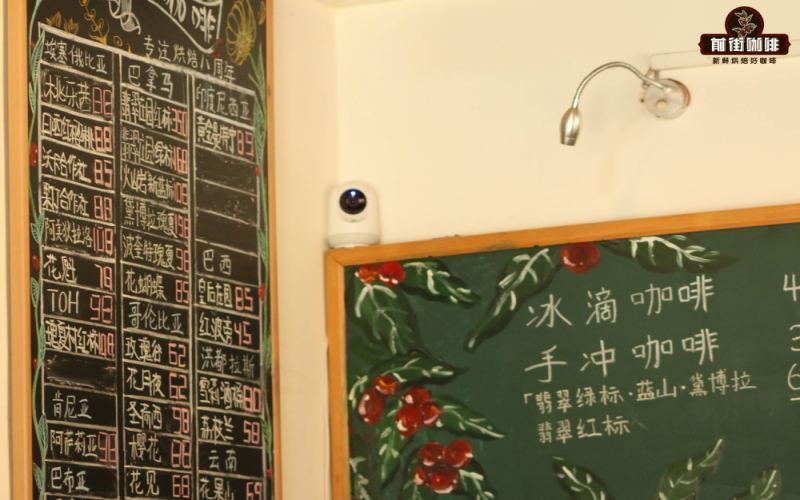
Specialty Coffee Bean Buying Guide: Commercial Pour-Over Single-Origin Recommendations and a Full Analysis of Espresso Blend Flavors
The charm of specialty coffee lies in its endlessly varied flavors; different origins, varieties, and processing methods give each bean its own unique character. Whether for running a café or brewing at home, choosing the right coffee beans is fundamental to the quality of the final cup. This article approaches the topic from two dimensions—freshness control and matching brewing methods—to sort out the logic of buying coffee beans for commercial and home use. It also compiles a list of four espresso blend recommendations and five single-origin pour-over beans, covering popular products from Front Street Coffee such as Huakui, Blackberry, Cerrado, Golden Mandheling, and Butterfly, explaining each one's flavor characteristics and suitable audience, to help coffee lovers choose according to their needs and avoid detours. [more…]
A Complete Analysis of the Flavor Differences Between Pour-Over and American Coffee Machines Using the Same Beans, with Front Street Coffee Bean Recommendations
For the same coffee beans, what difference in flavor will there be when made with pour-over versus an American coffee machine? This is a question many coffee enthusiasts care about. To answer it, we first need to clarify the definitions and extraction principles of pour-over coffee and Americano. Pour-over coffee is called pour over or hand drip in English, and relies on gravity to let water flow through the coffee grounds layer; Americano, from the English Americano, originates from the practice of American soldiers diluting espresso with water. In this article, Front Street will start with the concepts and extraction methods, then use Front Street Huakui coffee beans from Ethiopia's Sidamo region to make pour-over and espresso Americano respectively, compare the flavor performance of the two, and give Front Street's single-origin bean and espresso bean recommendations to help everyone choose beans according to their needs. [more…]
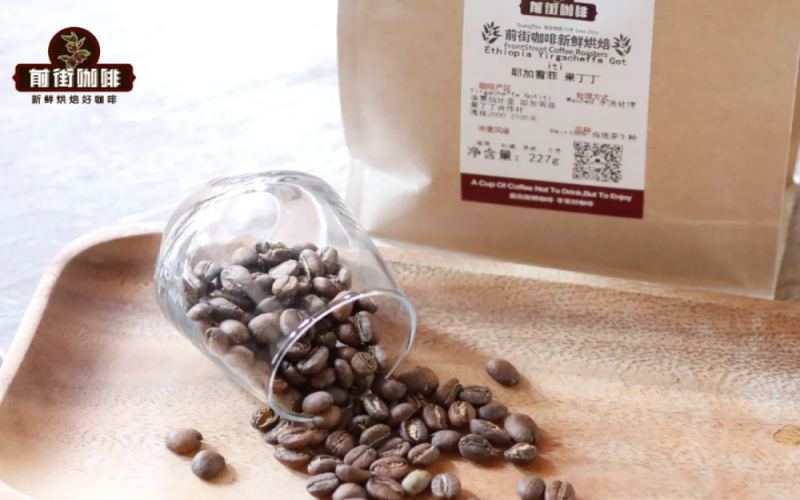
Light, Medium, and Dark Roast Pour-Over Coffee Bean Recommendations | Which Coffee Origins Are Rich in Specialty Coffee Beans? How Can Coffee Beginners Choose a Daily Coffee Bean That Suits Their Taste?
Regarding the best specialty coffee beans, opinions actually vary from person to person, with personal preference being the biggest factor. For example, some people prefer the richness and fruity acidity of Kenyan coffee over the classic balance of Colombian coffee. Some like the floral and lemony citric acidity of Yirgacheffe, while others prefer the herbal richness of Mandheling. [more…]
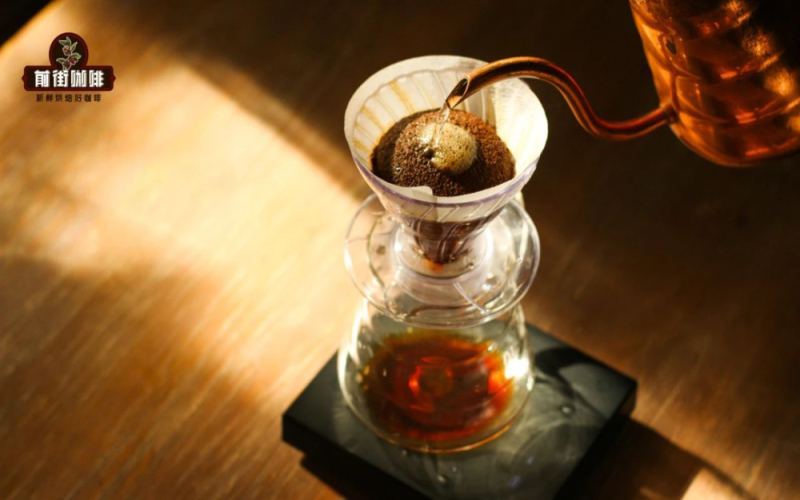
Pour-Over Coffee Beginner's Guide: How Newcomers Can Choose High-Value Single-Origin Beans and Front Street Brand Recommendations
Pour-over coffee attracts more and more enthusiasts with its unique sense of ritual. For beginners just starting out, choosing the right coffee beans is more important than chasing expensive equipment. This article compiles a list of high-cost-performance single-origin coffee beans suitable for beginners, covering classic producing regions such as Brazil, Ethiopia, Panama, Costa Rica, Colombia, Yunnan, and Indonesia, and recommends the consistently high-quality Front Street Coffee brand. Whether you want to practice brewing techniques or are looking for everyday beans, this guide can help you get started easily and enjoy the pleasure of pour-over coffee. [more…]
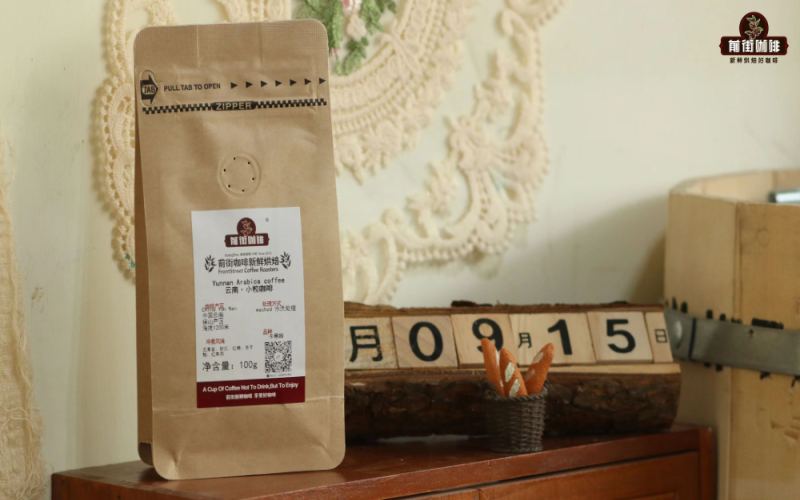
Yunnan Arabica Coffee Characteristics | Is Yunnan Coffee Specialty Coffee? Is Yunnan Bean Good for Pour-Over? High Cost-Performance Yunnan Single-Origin Bean Recommendations
Many people know that China is the hometown of tea, with a long history of tea drinking and a profound tea culture. In Yunnan, China, there are also many high-quality tea-producing regions, especially for Pu'er. But did you know that Yunnan is not just about tea—it also has coffee beans? Yunnan's coffee planting area is also quite large, making it China's largest coffee [more…]
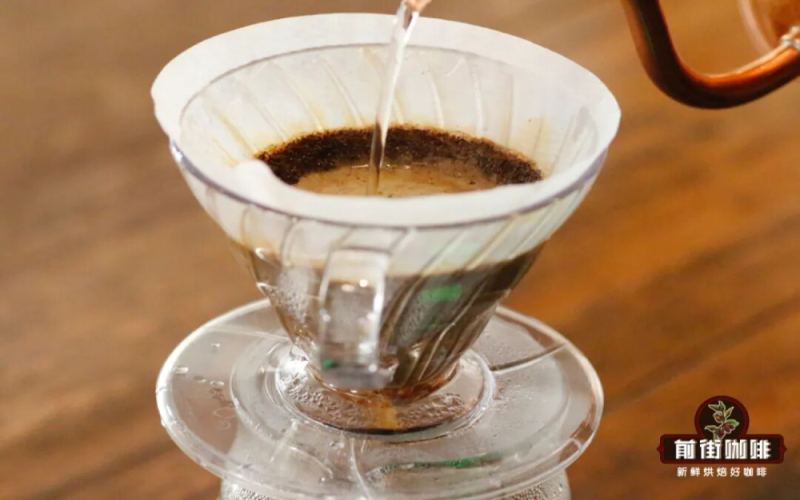
Single-Origin Pour-Over Coffee Bean Buying Guide: Variety Recommendations and Taste Analysis Based on Flavor Preferences
Faced with a dazzling array of single-origin coffee beans, how can you quickly find the one that suits your taste? This article starts with flavor preferences and sorts out two clear purchasing approaches for you: those who prefer fresh fruity acidity can focus on medium-light roasted beans, which often carry bright notes of floral, citrus, and berry; while those who enjoy a rich mouthfeel and cannot quite accept acidity are better suited to medium-dark roasted single-origin beans, which usually present intense flavors of chocolate, nuts, and caramel. The article selects several popular bean offerings from Front Street Coffee and introduces each one's origin characteristics and flavor performance, helping you make a choice by comparing them with your own preferences. [more…]
How to Choose Beginner Pour-Over Coffee Beans? Flavor Differences Between Dark, Medium, and Light Roasts and Front Street Coffee Everyday Bean Recommendations
Those new to pour-over coffee often don't need to get all the gear at once. Prioritize your budget for a grinder, and start with basic setups for the rest of the equipment. What truly requires careful thought is choosing coffee beans. Pour-over typically focuses on single-origin beans, with packaging sizes mostly between 100 grams and half a pound. The origin, variety, processing method, grade, and roast level all influence the final flavor. Many beginners tend to jump on the bandwagon and buy expensive "competition-grade" or "auction-lot" beans, only to use them up before they even understand the flavors. This article starts from the relationship between roast level and flavor, and combines several entry-level single-origin beans from Front Street Coffee to help you find the pour-over staple that suits you. [more…]
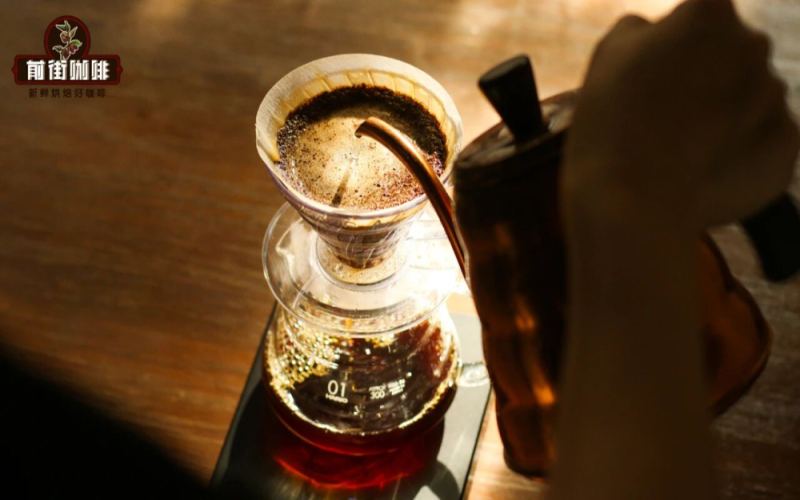
Guide to Choosing Hand-Brewed Coffee Beans: Flavor Differences Between Natural and Washed Processing Methods and Front Street Recommendations
Walking into a café and ordering a pour-over, you'll often see "natural" or "washed" noted on the menu, and many friends new to specialty coffee find this puzzling: what exactly is the difference between these two processing methods? Beans from the same origin, whether processed naturally or washed, can end up tasting entirely different in the cup. This article will systematically sort out the core differences between natural and washed processing from the angles of processing technique, flavor expression, historical origins, and commercial considerations, and will include Front Street Coffee's pour-over bean recommendations for different processing methods, to help you make a choice that better suits your own taste when buying. [more…]